Essential Steps for Achieving a Water-Resistant Bathroom Floor
Creating a waterproof bathroom floor is crucial for preventing water damage and maintaining a clean environment. Contractors play an essential role in ensuring that your bathroom tile flooring remains impermeable to moisture. This process involves meticulous planning, the selection of appropriate materials, and skilled execution. Understanding the steps contractors take can help you appreciate the value of professional work and ensure long-lasting results.
The Importance of Waterproofing Bathroom Floors
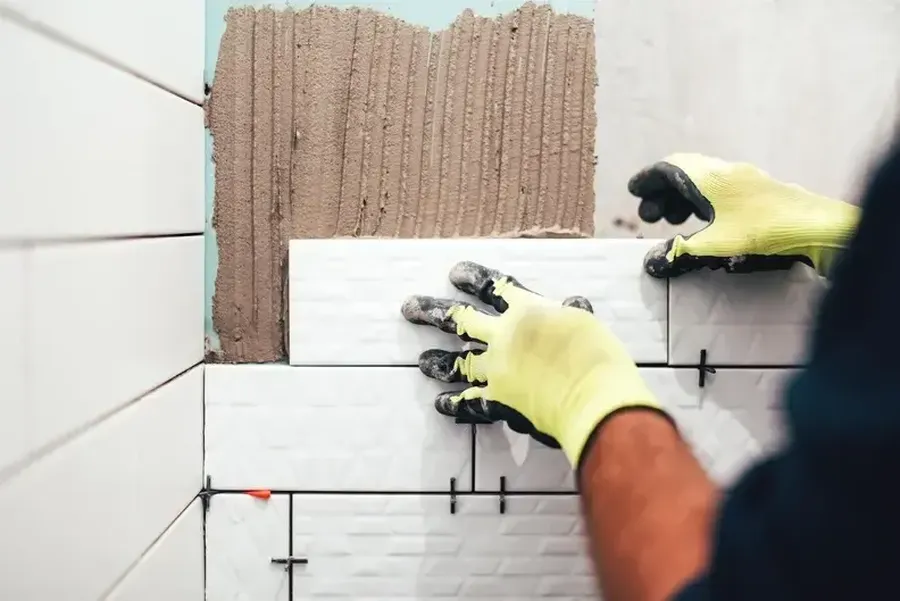
Waterproofing is vital for any bathroom floor because it prevents water from seeping into underlying structures, which could cause extensive damage. Without proper waterproofing, issues like mold, mildew, and structural weakening can arise. Ensuring this aspect not only protects the integrity of your home but also helps maintain a healthy living environment by reducing dampness-related health risks.
Choosing the Right Materials for Tile Installation
Contractors know that selecting high-quality materials is key to successful Bathroom Tile Flooring. They often choose tiles made from durable materials such as porcelain or ceramic due to their water-resistant properties. Grout choice is equally important; professionals frequently use epoxy grout because it offers superior resistance to stains and moisture compared to traditional cement-based options.
Properly Preparing the Subfloor
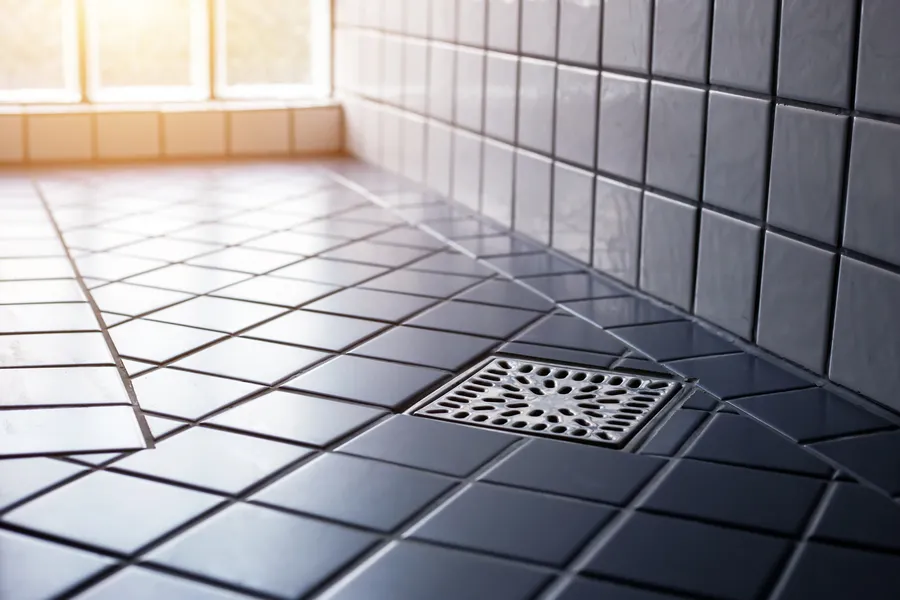
A critical step in installing Bathroom Tile Flooring is preparing the subfloor. Contractors must ensure that the surface beneath the tiles is clean, dry, and level. Any imperfections in the subfloor can lead to uneven tiles and potential water leaks. Professionals might use self-leveling compounds or underlayment systems to create an ideal surface for tile application.
Application of Waterproof Membranes
To further enhance waterproofing, contractors apply specialized membranes beneath the tiles. These membranes act as barriers against water infiltration. There are various types of membranes available, including sheet-applied and liquid-applied options. The choice depends on specific project requirements, but both serve to protect against water penetrating below the tiled surface.
Importance of Proper Tile Sealing
Sealing tiles and grout lines is another crucial step. After installation, contractors apply sealants that provide an additional layer of protection against moisture. Regular resealing may be necessary over time to maintain this barrier’s effectiveness. This task ensures that water stays above the surface where it can be easily cleaned away rather than seeping through gaps.
Regular Maintenance Tips
Ongoing maintenance is essential to preserving the integrity of your waterproof bathroom floor. Here are some tips:
- Clean up spills immediately to prevent potential staining.
- Use mild cleaners designed for tile surfaces to avoid damaging protective coatings.
- Inspect grout lines regularly for cracks or wear and repair as needed.
Cost Considerations With Waterproof Tile Installation
The cost of waterproof tile installation varies based on factors such as material quality, bathroom size, and labor rates. While initial costs may seem high, investing in a professional installation guarantees longevity and reduces future repair expenses. Quality waterproofing enhances property value and minimizes long-term maintenance costs, offering significant return on investment.
Your Path to Reliable Waterproofing Solutions
Achieving a leak-free bathroom requires expertise and precision. By choosing experienced contractors, you ensure your floor is built to withstand everyday challenges effectively. Located in Shallotte, NC, we bring years of experience to each project, ensuring excellence at every stage. Trust Genis Pacific Flooring for all your waterproofing needs-call (910) 712-2826 today for expert advice and service!